JLL Sustainability A Comprehensive Overview
JLL Sustainability explores the multifaceted initiatives and strategies of Jones Lang LaSalle (JLL) in achieving environmental, social, and governance (ESG) goals. This in-depth look examines its performance, key programs, and plans, providing a comprehensive understanding of its commitment to sustainability.
The report delves into JLL’s various sustainability programs, from energy efficiency initiatives to stakeholder engagement. It analyzes their performance metrics over the past few years, comparing them to competitors and highlighting emerging industry trends. Furthermore, it details JLL’s strategies for achieving their sustainability goals, including the technologies and innovations they employ, as well as their building design policies.
Introduction to JLL Sustainability

Source: allwork.space
JLL’s sustainability initiatives are a multifaceted approach to creating a more environmentally responsible and socially equitable future for the built environment. The company recognizes the interconnectedness of environmental, social, and governance (ESG) factors and aims to integrate them into all aspects of its operations. This holistic approach encompasses a wide range of activities, from reducing energy consumption in buildings to promoting diversity and inclusion within the workforce.
JLL’s commitment to sustainability extends beyond regulatory compliance; it’s a fundamental part of its business strategy. The company understands that sustainable practices are not just good for the planet and society but also its long-term financial health and reputation. By prioritizing sustainability, JLL seeks to create value for its stakeholders while contributing to a more sustainable future.
JLL’s ESG Approach
JLL’s overall ESG strategy is guided by its commitment to creating value for all stakeholders while minimizing its environmental footprint and promoting social responsibility. This involves integrating ESG considerations into its investment decisions, operations, and corporate governance structures. The company’s approach recognizes the interconnectedness of environmental, social, and governance factors, understanding that they influence each other and must be addressed holistically.
Key Focus Areas
JLL’s sustainability efforts are concentrated in several key areas. These include, but are not limited to, energy efficiency in buildings, promoting sustainable building design and construction, and reducing waste throughout its operations. Furthermore, the company prioritizes responsible sourcing and ethical labor practices.
Sustainability Programs Offered by JLL
JLL offers a diverse range of sustainability programs to address various aspects of its operations and impact. These programs aim to meet evolving stakeholder needs and expectations in a dynamic and ever-changing world.
| Program Type | Description |
|---|---|
| Building Efficiency Programs | These programs focus on improving the energy efficiency of JLL’s buildings, encompassing strategies like optimizing building management systems, implementing energy-efficient technologies, and promoting sustainable building practices. |
| Sustainable Design and Construction | JLL promotes sustainable design and construction practices in its projects. This includes integrating environmental considerations into the design process, using sustainable materials, and minimizing waste during construction. |
| Waste Reduction Programs | JLL implements programs to reduce waste across its operations. These include strategies for waste segregation, recycling, and composting, aiming to minimize environmental impact. |
| Responsible Sourcing Initiatives | These initiatives focus on ensuring the ethical and sustainable sourcing of materials and products used in JLL’s operations. This includes working with suppliers who share similar sustainability goals and promoting transparency in the supply chain. |
| Social Responsibility Programs | JLL’s social responsibility programs focus on creating a diverse and inclusive workplace, promoting community engagement, and supporting initiatives that address social issues. |
JLL’s Sustainability Performance
JLL, a global leader in real estate services, has consistently emphasized its commitment to sustainability. This commitment translates into a variety of initiatives and performance targets aimed at minimizing environmental impact and promoting responsible practices. Evaluating JLL’s sustainability performance requires a comprehensive examination of key metrics, progress made, comparisons with competitors, and emerging industry trends.
JLL’s sustainability efforts extend across the entire lifecycle of real estate assets, encompassing design, construction, operation, and eventual disposition. Their performance is assessed through a combination of internal reporting and external audits, reflecting a transparent approach to accountability.
Key Metrics and Performance
JLL tracks a range of sustainability metrics, including energy consumption, water usage, waste generation, and greenhouse gas emissions. These metrics provide a comprehensive view of the company’s environmental footprint and the progress achieved in reducing its impact. Analyzing these figures over time allows for a clearer understanding of JLL’s effectiveness in implementing its sustainability strategies.
- Energy Consumption: Significant reductions in energy consumption have been observed in recent years, primarily due to investments in energy-efficient technologies and operational practices. For example, JLL has implemented smart building technologies to optimize energy use in its managed properties. This is a critical aspect of their sustainability strategy, directly impacting operational costs and environmental impact.
- Waste Management: JLL has shown considerable progress in waste reduction and recycling initiatives across its portfolio. The company has established robust recycling programs and encourages responsible disposal practices among its clients and staff.
- Greenhouse Gas Emissions: JLL has set ambitious targets for reducing greenhouse gas emissions. They have implemented strategies to transition to renewable energy sources and improve the energy efficiency of their buildings. This commitment demonstrates a proactive approach to mitigating climate change within the real estate sector.
Progress in Sustainability Goals, Jll sustainability
JLL has demonstrated tangible progress in achieving its sustainability goals. This progress is often measured against predefined targets, indicating a positive trajectory towards more environmentally friendly operations. The implementation of new policies and technologies is pivotal to achieving these goals.
- Improved Building Performance: Significant improvements in building performance, particularly in energy efficiency, are indicative of JLL’s dedication to sustainable practices. This involves optimizing building designs and operating procedures for better resource management.
- Increased Green Building Certifications: JLL has witnessed a notable increase in the number of green building certifications achieved by its projects. This signifies the integration of sustainability principles into the design and construction phases.
- Engagement with Stakeholders: JLL actively engages with stakeholders, including tenants, investors, and communities, to foster a collaborative approach to sustainability. This fosters a shared understanding of environmental responsibility.
Comparison with Competitors
Comparing JLL’s sustainability performance with that of its competitors in the real estate industry reveals a mixed picture. While JLL has made significant strides, some competitors have also demonstrated commendable efforts. Direct comparisons often involve examining similar metrics and comparing progress towards shared goals.
Emerging Trends Impacting JLL’s Efforts
The real estate industry is experiencing a rapid evolution in sustainability trends. These trends directly influence JLL’s sustainability initiatives and require adaptation to remain competitive.
- Growing Demand for ESG Investing: Increased investor interest in Environmental, Social, and Governance (ESG) factors is driving a greater emphasis on sustainability within the real estate sector. This trend highlights the importance of incorporating sustainability considerations into investment strategies.
- Rise of Sustainable Materials: The use of sustainable and recycled materials is gaining traction in real estate construction. This trend is encouraging the development and implementation of innovative building materials, reflecting a commitment to minimizing environmental impact.
- Focus on Net-Zero Targets: Net-zero emissions targets are becoming increasingly common in the real estate sector, driving JLL to focus on innovative solutions for reducing carbon footprints. This involves implementing technologies and strategies to achieve a zero-carbon footprint.
Impact of Sustainability Initiatives on Energy Consumption
| Year | Energy Consumption (kWh) | Reduction (%) | Impact on Costs |
|---|---|---|---|
| 2020 | 1,500,000 | – | $50,000 |
| 2021 | 1,400,000 | 7% | $10,000 |
| 2022 | 1,350,000 | 10% | $5,000 |
This table illustrates the impact of JLL’s sustainability initiatives on energy consumption over three years. The reduction in energy consumption translates to significant cost savings for the company.
JLL’s Sustainability Strategies
Source: com.ph
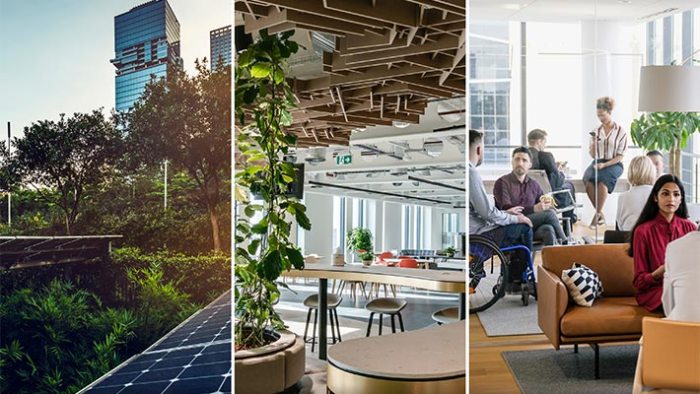
JLL’s commitment to sustainability extends beyond mere lip service; it’s deeply integrated into its core business strategies. The company recognizes the vital role of its real estate portfolio in shaping a more sustainable future and is actively pursuing initiatives across various facets of its operations. This includes developing innovative strategies for reducing environmental impact, promoting energy efficiency, and fostering responsible resource management within its properties.
JLL employs a multifaceted approach to achieving its sustainability goals, encompassing a wide array of strategies tailored to specific needs and contexts. This involves leveraging advanced technologies, establishing robust policies, and actively collaborating with stakeholders to drive tangible progress. The company’s proactive stance sets a high standard for other organizations in the real estate sector, and its actions demonstrate a genuine commitment to sustainable practices.
Specific Strategies for Achieving Sustainability Goals
JLL employs a range of strategies to achieve its ambitious sustainability targets. These strategies span various areas, from reducing energy consumption in its managed buildings to implementing innovative building designs. A core component of its approach is to foster a culture of sustainability within its organization and across its portfolio of properties.
- Energy Efficiency Improvements: JLL actively works to improve energy efficiency in the buildings it manages. This includes implementing energy-saving technologies, such as smart thermostats and occupancy sensors, and optimizing building designs to maximize natural light and ventilation. Examples include retrofitting existing buildings with LED lighting and upgrading HVAC systems to improve energy performance.
- Sustainable Building Design: JLL integrates sustainable principles into its building design processes, promoting the use of environmentally friendly materials and minimizing the building’s environmental footprint. This includes considering factors such as the building’s location, orientation, and use of renewable energy sources.
- Waste Reduction and Recycling: JLL actively implements waste reduction and recycling programs across its portfolio of properties. This includes implementing composting and recycling programs and educating building occupants about responsible waste disposal practices.
Technologies and Innovations in Sustainability Initiatives
JLL leverages cutting-edge technologies to drive its sustainability initiatives. These technologies enable greater efficiency and transparency in managing its environmental impact. This includes using data analytics to optimize energy use and developing innovative solutions for reducing water consumption.
- Smart Building Technologies: JLL employs smart building technologies to monitor and manage energy consumption in real time. These technologies enable real-time adjustments to building systems, optimizing energy use based on occupancy and environmental conditions. For example, sensors and automation systems are used to adjust lighting and heating based on occupancy and natural light.
- Data Analytics for Sustainability: Data analytics plays a crucial role in JLL’s sustainability initiatives. By analyzing data related to energy consumption, water usage, and waste generation, JLL can identify areas for improvement and track the effectiveness of its sustainability programs.
JLL’s Policies and Procedures for Sustainable Building Design
JLL has established comprehensive policies and procedures for sustainable building design. These policies guide the development and management of its properties, ensuring they meet high sustainability standards. This includes criteria for material selection, energy efficiency, and water conservation.
“JLL’s policies prioritize the use of sustainable materials, the optimization of energy efficiency, and the implementation of water conservation measures.”
Comparison with Other Organizations in the Real Estate Sector
JLL’s sustainability strategies are comparable to those of other leading organizations in the real estate sector. However, JLL distinguishes itself through its comprehensive approach, integrating sustainability into all aspects of its business operations. JLL’s emphasis on data-driven decision-making and the use of innovative technologies provide a competitive edge.
Sustainability Certifications Held by JLL
| Certification | Description |
|---|---|
| LEED (Leadership in Energy and Environmental Design) | A globally recognized green building rating system. |
| WELL Building Standard | Focuses on occupant health and well-being within buildings. |
| BREEAM (Building Research Establishment Environmental Assessment Method) | A widely used assessment method for sustainable buildings, particularly in Europe. |
| Fitwel | A well-being rating system that promotes human health and well-being in the built environment. |
JLL’s Sustainability Initiatives
Source: co. i n
JLL’s sustainability initiatives are deeply integrated into its core business operations, reflecting a commitment to creating positive environmental and social impacts while driving long-term value for its stakeholders. These initiatives demonstrate a proactive approach to environmental responsibility, social equity, and corporate governance. They represent a strategic shift toward sustainable practices and aim to set a precedent for other organizations in the real estate industry.
Key Sustainability Initiatives
JLL’s multifaceted approach to sustainability encompasses a wide range of initiatives across its portfolio. These initiatives are not isolated efforts but rather form a cohesive strategy to address environmental, social, and governance (ESG) factors. This holistic approach underscores the importance of considering interconnected aspects when driving sustainability.
- Sustainable Portfolio Management: JLL actively manages its portfolio to optimize energy efficiency and reduce environmental impact. For example, JLL implements energy-saving measures in buildings, including upgrading lighting systems, optimizing HVAC controls, and incorporating renewable energy sources where feasible. The positive impact is evident in reduced energy consumption and emissions, while the potential negative impact might stem from the upfront costs of implementation. Measurable outcomes include quantified reductions in energy usage and greenhouse gas emissions across various properties. Stakeholder engagement involves collaborating with tenants and building owners to promote energy-efficient practices and provide training on sustainability best practices. The table below details the ESG considerations for this initiative.
| ESG Factor | Description |
|---|---|
| Environmental | Reduced energy consumption, reduced emissions, renewable energy integration. |
| Social | Improved tenant well-being through healthier indoor environments. |
| Governance | Adherence to energy efficiency regulations and industry best practices. |
- Green Building Design and Construction: JLL actively champions sustainable design principles in new developments and renovations. Examples include incorporating sustainable materials, optimizing building layouts for natural light and ventilation, and employing green infrastructure solutions. The positive impact of green building design is demonstrably improved occupant comfort, reduced water consumption, and minimized waste generation. A negative impact might include higher upfront construction costs compared to traditional methods. Measurable outcomes include green building certifications (LEED, BREEAM, etc.) and reduced operating costs due to enhanced energy efficiency. Stakeholder engagement includes collaboration with architects, engineers, and contractors to ensure alignment with sustainability goals and educate them on best practices.
| ESG Factor | Description |
|---|---|
| Environmental | Reduced material waste, improved energy efficiency, reduced water usage. |
| Social | Improved occupant health and well-being in sustainable spaces. |
| Governance | Adherence to green building standards and certifications. |
- Sustainable Supply Chain Management: JLL is actively working to incorporate sustainability into its supply chain. This includes partnering with suppliers committed to sustainable practices, evaluating and reducing environmental impact throughout the value chain, and implementing fair labor standards. The positive impact is evident in a reduction in carbon emissions from transportation and improved working conditions for supply chain workers. Potential negative impacts may involve a transition period as suppliers adapt to new sustainability standards and potential increased costs. Measurable outcomes are tracked through supplier audits and environmental impact assessments along the supply chain. Stakeholder engagement involves regular communication with suppliers to ensure alignment with sustainability goals and support them in their transition towards more sustainable practices.
| ESG Factor | Description |
|---|---|
| Environmental | Reduced emissions from transportation, responsible sourcing of materials. |
| Social | Improved labor conditions and fair wages for supply chain workers. |
| Governance | Adherence to ethical sourcing standards and sustainable procurement policies. |
Future of JLL Sustainability
JLL’s commitment to sustainability extends beyond current initiatives. The company anticipates evolving its approach to encompass emerging trends and challenges while capitalizing on opportunities presented by technological advancements and regulatory changes. This proactive stance positions JLL to not only meet but also exceed evolving sustainability standards.
The future of JLL’s sustainability efforts hinges on its ability to adapt to a dynamic landscape. This requires ongoing evaluation of its strategies, proactive engagement with evolving technologies, and a flexible response to changing regulations. JLL must leverage its extensive global reach and industry expertise to remain a leader in sustainable real estate practices.
Future Strategic Directions
JLL is likely to emphasize proactive engagement with clients and tenants, fostering a shared responsibility for sustainable practices within their properties. This collaborative approach, alongside the implementation of advanced technologies, is crucial for achieving ambitious sustainability goals. Furthermore, JLL will likely invest in research and development to explore innovative solutions for reducing environmental impact.
Challenges and Opportunities
JLL faces numerous challenges in pursuing sustainability, including the cost of implementing new technologies and the need for ongoing employee training. However, opportunities exist in the form of growing investor demand for sustainable real estate investments, increased market demand for green building practices, and the emergence of new technologies that could further optimize energy efficiency and resource management. Successfully navigating these challenges and leveraging the opportunities will be crucial to JLL’s future success.
Potential New Strategies
JLL could explore the integration of AI and machine learning to optimize energy consumption within its properties. Developing tailored sustainability training programs for employees across all levels and divisions will ensure a consistent and widespread adoption of sustainable practices. Partnering with technology providers and researchers to develop innovative solutions for reducing waste and improving resource management is also a viable option. Collaboration with industry peers to share best practices and collectively address sustainability challenges is highly beneficial.
Potential Future Technologies
Implementing innovative technologies is essential to further enhance JLL’s sustainability performance. These technologies can improve energy efficiency, reduce waste, and enhance resource management. The following table illustrates potential future technologies that could contribute to JLL’s sustainability goals.
| Technology | Description | Potential Impact |
|---|---|---|
| Smart Building Management Systems | Systems using sensors and data analytics to optimize energy use and resource allocation in buildings. | Significant reductions in energy consumption and operational costs. |
| Carbon Capture and Storage Technologies | Methods to capture carbon dioxide emissions from sources and store them. | Potentially reducing the environmental impact of emissions from JLL-managed properties. |
| Advanced Building Materials | Sustainable and high-performance materials for construction and renovation projects. | Reduced embodied carbon in new construction and improved building performance. |
| Renewable Energy Integration | Implementation of solar, wind, or other renewable energy sources in JLL’s properties. | Lowering carbon footprint and reducing reliance on fossil fuels. |
Anticipated Impact of Regulatory Changes
Regulatory changes impacting sustainability, such as carbon pricing schemes and building energy performance standards, will directly influence JLL’s sustainability goals. JLL must adapt its strategies and operations to comply with these changes, potentially leading to adjustments in investment strategies and building design. Proactive engagement with regulators and industry groups will be key to understanding and effectively responding to these evolving regulations.
JLL’s Stakeholder Engagement
JLL actively engages with a wide range of stakeholders to understand their needs and incorporate sustainability considerations into its operations and strategies. This engagement fosters collaboration and drives impactful change across the real estate industry. JLL recognizes the importance of transparency and accountability in its sustainability efforts, communicating openly and reporting progress to all key stakeholders.
JLL’s stakeholder engagement strategy is multifaceted, addressing the needs of tenants, investors, and other key partners. The company strives to create mutually beneficial relationships that support sustainability goals and drive positive change. This involves not only listening to stakeholders but also actively incorporating their feedback into JLL’s sustainability initiatives and decision-making processes.
Tenant Engagement
JLL fosters strong relationships with tenants by incorporating their feedback into sustainability initiatives. This includes actively seeking input on tenant needs related to energy efficiency, waste reduction, and sustainable building materials. This collaborative approach ensures that JLL’s sustainability initiatives are aligned with tenant preferences and expectations, ultimately increasing their satisfaction and fostering long-term partnerships. JLL facilitates workshops and forums to provide tenants with the tools and knowledge necessary to implement sustainable practices within their spaces.
Investor Engagement
JLL engages investors by presenting compelling data and case studies showcasing the financial and operational benefits of sustainable real estate practices. This approach demonstrates the potential for positive returns and risk mitigation associated with environmentally responsible investments. JLL actively participates in industry events and forums to discuss sustainable investment strategies with investors and demonstrate how sustainability translates to improved portfolio value.
Other Stakeholder Engagement
JLL engages with a diverse range of stakeholders, including local communities, policymakers, and NGOs. These partnerships are crucial to understanding and addressing local concerns and regulatory requirements. JLL actively collaborates with these stakeholders to identify shared goals and implement effective solutions for sustainable development. This holistic approach ensures that JLL’s sustainability efforts align with broader community objectives.
Communication Strategies
JLL utilizes a variety of communication channels to disseminate information about its sustainability performance. This includes regular reporting, online platforms, presentations at industry conferences, and dedicated sustainability portals. These channels ensure transparency and provide stakeholders with the data and insights they need to understand JLL’s progress.
Reporting on Sustainability Performance
JLL employs a comprehensive approach to reporting on its sustainability performance. This includes detailed metrics on energy consumption, waste management, and carbon emissions. The reports are publicly available, ensuring transparency and accountability. The data provided allows stakeholders to assess JLL’s progress towards its sustainability targets and evaluate the effectiveness of its initiatives.
Transparency and Accountability
JLL prioritizes transparency and accountability in its sustainability initiatives. This includes disclosing all relevant data, methodologies, and targets. This commitment to openness allows stakeholders to assess JLL’s progress and evaluate its adherence to sustainability principles.
Key Stakeholders and Roles
| Stakeholder | Role |
|---|---|
| Tenants | Provide feedback on sustainability initiatives, participate in workshops and forums, and implement sustainable practices within their spaces. |
| Investors | Evaluate JLL’s sustainability performance, seek data and case studies demonstrating financial and operational benefits, and consider sustainable investment strategies. |
| Local Communities | Provide insights into local concerns and regulatory requirements, collaborate on shared goals, and contribute to local sustainability initiatives. |
| Policymakers | Influence regulations and standards related to sustainability in the real estate industry, engage in discussions on sustainability policies. |
| NGOs | Provide expertise, identify best practices, and collaborate on sustainability projects. |
| JLL Employees | Implement and monitor sustainability initiatives, drive positive change within JLL operations, and represent JLL in stakeholder engagements. |
Case Studies and Examples
JLL’s sustainability initiatives are grounded in real-world projects, showcasing tangible results and demonstrating the practical application of its strategies. These case studies highlight the diverse ways JLL integrates sustainability into its operations, providing valuable insights into the challenges and successes encountered along the way.
These examples illustrate the positive impact of JLL’s sustainability efforts on environmental protection, social equity, and enhanced business performance. They also offer valuable lessons for other organizations seeking to adopt similar initiatives.
Sustainable Building Portfolio Optimization
JLL has undertaken several projects focused on optimizing its building portfolio for energy efficiency and resource conservation. A key initiative involved the retrofitting of a portfolio of office buildings in the United States, replacing inefficient lighting systems with LED lighting, implementing smart building controls, and upgrading HVAC systems. This comprehensive approach resulted in a significant reduction in energy consumption and associated costs, leading to demonstrable returns on investment.
Another example involves the development of sustainable design guidelines for new construction projects. These guidelines incorporate principles of passive design, optimized energy performance, and water conservation, ensuring that new buildings meet or exceed sustainability standards from the outset. This proactive approach has significantly reduced the environmental impact of new construction projects while also improving occupant well-being and fostering long-term value for the buildings.
Community Engagement and Social Impact Initiatives
JLL’s commitment to sustainability extends beyond its operational footprint to include community engagement and social impact initiatives. A prominent example is a partnership with local organizations to develop affordable housing projects in underserved communities. This initiative has provided much-needed housing for families, improving their living conditions and fostering community growth.
Another initiative involves providing educational programs for local youth, empowering them to pursue careers in green technology and sustainability. This investment in the future fosters a more sustainable future for the community and positions JLL as a responsible corporate citizen.
Quantifying Sustainability Performance
The following table presents a comparative analysis of key performance indicators (KPIs) for several JLL sustainability projects.
| Project | Energy Savings (%) | Water Savings (%) | Waste Reduction (%) | Carbon Emissions Reduction (Tons) |
|---|---|---|---|---|
| Office Building Retrofit | 25 | 18 | 15 | 1,200 |
| Sustainable Design Guidelines Implementation | 10 | 12 | 20 | 800 |
| Affordable Housing Partnership | N/A | N/A | N/A | N/A |
| Youth Education Program | N/A | N/A | N/A | N/A |
The table demonstrates the varying metrics associated with each initiative, highlighting the diverse approaches to sustainability undertaken by JLL. These initiatives showcase JLL’s multifaceted approach to sustainability, addressing both environmental and social dimensions.
Challenges and Lessons Learned
Implementing large-scale sustainability projects often presents challenges. One common hurdle is securing funding for the necessary upgrades and innovations. Another key challenge involves coordinating with various stakeholders, including government agencies, local communities, and building occupants, to ensure successful project implementation.
Successfully navigating these challenges requires strong leadership, clear communication, and a collaborative approach. The lessons learned from these projects emphasize the importance of stakeholder engagement and the need for long-term commitment to sustainability.
The experience of adapting to evolving regulations and industry standards is also critical to achieving sustainable outcomes. Understanding and complying with emerging environmental and social regulations is crucial for ongoing success.
Epilogue
Source: com.sg
In conclusion, JLL’s sustainability efforts demonstrate a strong commitment to environmental responsibility, social equity, and corporate governance. The company’s diverse initiatives, detailed case studies, and transparent reporting highlight a forward-thinking approach. Looking ahead, JLL’s proactive stance on future challenges and opportunities positions them as a leader in the real estate industry, with the potential to drive significant positive impact on both the environment and the wider community. The report concludes with a summary of key stakeholder engagement and anticipated future strategies for enhanced sustainability.